
Blackridge is West Lothians far North-Western Outpost where the “Great Road” from Glasgow to Edinburgh to Glasgow crosses the border from Lothian into Strathclyde. Once upon a time, this little village was an important staging town on the great turnpike road between the Two cities where stagecoaches could stop for the night. Today it is a bustling commuter town.
The History of Blackridge
Before the Great Glasgow to Edinburgh turnpike road was opened in the late Eighteenth century, the village of Blackridge was literally unheard of. Yet this would soon change and throughout the Nineteenth century Industrial boom, the village would see itself grow rapidly. Then, in the latter part of the Twentieth century, the town would reinvent itself. After a period of dormancy, the village would once again become a commuter hub.
Early Origins
The village was First mentioned on Maps as far back as the 1530s and was marked as ‘Blackrig’. Although officially named ‘Blackridge’ since 1831, the local residents still often call the town by its original pronunciation of ‘Blackrig’. However, the place remained a tiny settlement completely unknown to the rest of the world until the arrival of the Great Glasgow to Edinburgh Turnpike road in 1790. This turned the small settlement into an important staging point on the turnpike. Back in the Eighteenth century, the village would have been a busy stop off town for Stage coaches to stop over for the night at the Craig’s Inn.
The Age of Steam
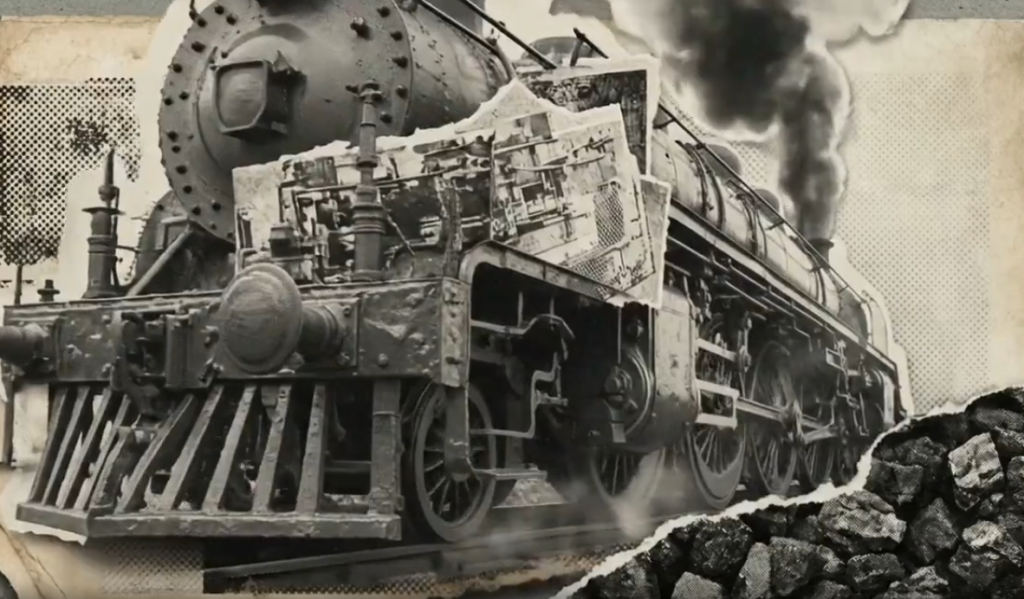
When the Iron Horse made its way across Scotland, it connected the town of Blackridge to the rest of Industrial Scotland with the arrival of the Glasgow to Edinburgh railway line. In 1862, this railroad was laid and the Station of Westcraigs was opened at Blackridge connecting the village to the rest of the world at a much quicker speed.
This would provide the lifeline to the areas Industrial boom of the Nineteenth century. The Southrigg Area Immediately to the North of the village was peppered with pits. These could all access the great railroad. This allowed coal to be exported from the area and both the Railway and village would thrive.
This railway line would subsequently close in the 1960’s. Not long after the last of the coal mines had closed in the area. But open back up again in 2010, helping the village thrive once again. This time as a commuter hub.
A Mining Town
Blackridge would undergo a significant boom in pits population when Coal mining reached the area and Blackridge would come o be home to over 2000 people who mostly worked on the Westrig and Southrig pits that pepper the North West quarter of ‘The Black West’. Sadly for the towns economy, the ;last of the Southrigg and Westrig Collieries were closed down in 1952.
A Commuter Town
After a hiatus of almost Fifty Years since Lord Beeching pulled the plug on the rail line that was the lifeline of Blackridge, this railway would once again open up in 2010, reconnecting the village of Blackridge Once again to the cities of Glasgow and Edinburgh. This has once again allowed Blackridge to shine, this time as a commuter Hub instead of a mining town. Today, people live in Blackridge but work in the nearby cities where they can commute to and from each day quickly.
Historic Buildings of Blackridge
The Village of Blackridge is home to some interesting Historic Buildings that have sprung up over the years since the villages formation back in the early days. So, lets have a little look at some of them shall we?
The Craigs Inn
The villages oldest building is the Craig’s Inn which was built in 1790 as a lodging house when the Great Glasgow to Edinburgh Turnpike road was built to run right through the village. This Inn would house travellers who needed a rest on their long and weary Journey between the Two cities. Today, the Craig’s Inn is used as the villages community centre, a library and Transport museum.
The Expansion of the Town
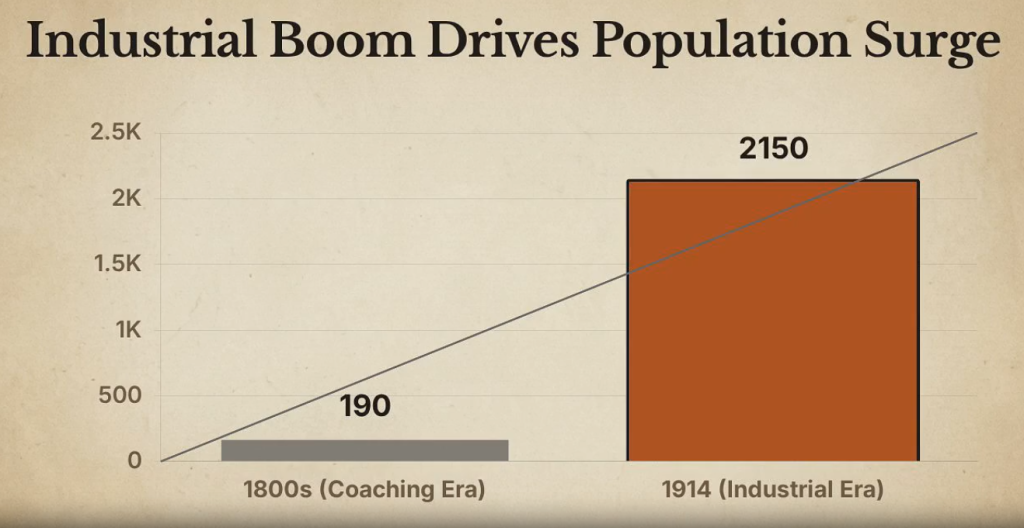
The village has seen a lot of expansion since its early days. When coal mining arrived in West Lothian, Blackridge had a measly population of just around 200 hundred residents. However, by the time World War One came around, Blackridge had soared to over 2000 people living here. That was an Increase Tenfold in just a little over a century.