
So, today, were going to be talking about a place that Literally just vanished from the map. This is the story of Cappers, a village that was built by Industry then almost just as fast,, was completely erased by time. It is a real ghost community. But it has such a powerful story to tell about how we work, how we live and how communities were built.
The Lost Village of Cappers
West Lothian’s Lost Village of Cappers once stood on what is now barren moorland on Tippethill moor. This lies on the stretch of road between the morn day towns of Whitburn and Armadale. Although, if you ahhd to walk over that way today, you’d never know there had ever been anything in this place. Let alone a whole Village and pit.
Now, lets have a proper think about this question – What happens when a towns only reason for being is gone? Imagine an entire village built for One single purpose. One single Job. When that Job ends, whats left. You know, this isn’t just some hypothetical question.
For a lot of communities, this was a really harsh reality, and Cappers Isn’t just a One Off story. No. It’s part of a whole network of forgotten places, scattered all across West Lothian. We’re talking about communities that literally popped up over night, had these brief but really Intense lives and then were just Lost.
The Great Mining Boom
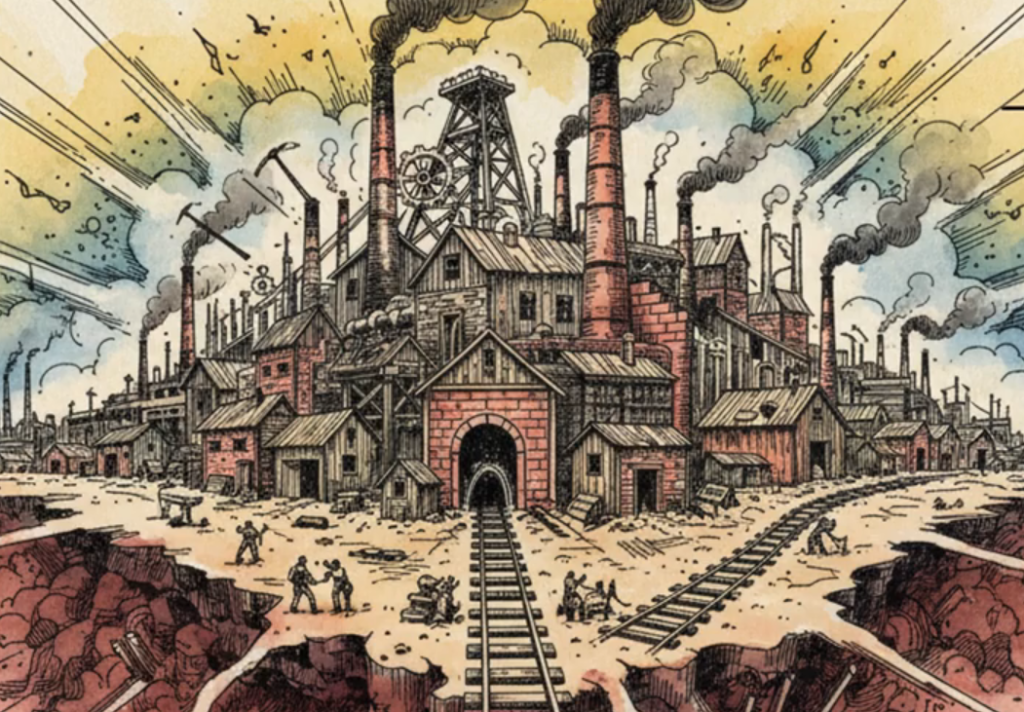
So how did these places even come to exist in the First place? Well, the story begins with the Incredible power and the Insatiable hunger of the Industrial revolution. All of a sudden, the quiet, rolling landscape of West lothian was right at the centre of this Industrial explosion.
Coal and Ironstone was the fuel for this new era, and companies were just scrambling to dig them out of the ground. To do that, they needed Thousands and Thousands of workers. the solution they came up with was pretty radical. You see, a lot of these mines were out in the middle of nowhere with absolutely no public transport. Companies had to build villages right from scratch, right there at the side of the pit head.
This was the birth of what is known as the ‘Company village’. So this brings us right to our focus. The Village of Cappers. it owed it’s entire existence to the Cappers Number 2 pit which was owned by the Shotts Iron company. This pit itself had a really short but Intense life. Less than Thirty years. Mining the Iron and coal for the revolution was demanding.
Life in a Company Town
Okay. So what was it actually like to live in place like Cappers? Well, this was completely defined by the company that employed you, housed you and at the end of the day, completely controlled you. Cappers consisted of 30 houses. This gives you a sense of the village’s scale.
Cappers wasn’t some big, sprawling town. It was just a tiny, isolated little cluster of homes where you can be sure everyone knew everyone else’s business. But in this isolation, an Incredible tight-knit community was forged. Your neighbours weren’t just the people who lived down the street. they were your Co-Workers. Your support system. All of you sharing that exact same certain fate.
Cappers Village was situated near Armadale Station, on the way to Whitburn over Tippethill moor. They were built with each row built facing each other, with the ash-pit in the centre, with the open privies built alongside. They had open sewers, with no drainage or washhouses. Those were the general characteristics which ruled here.
The ‘Tied Tenancy’
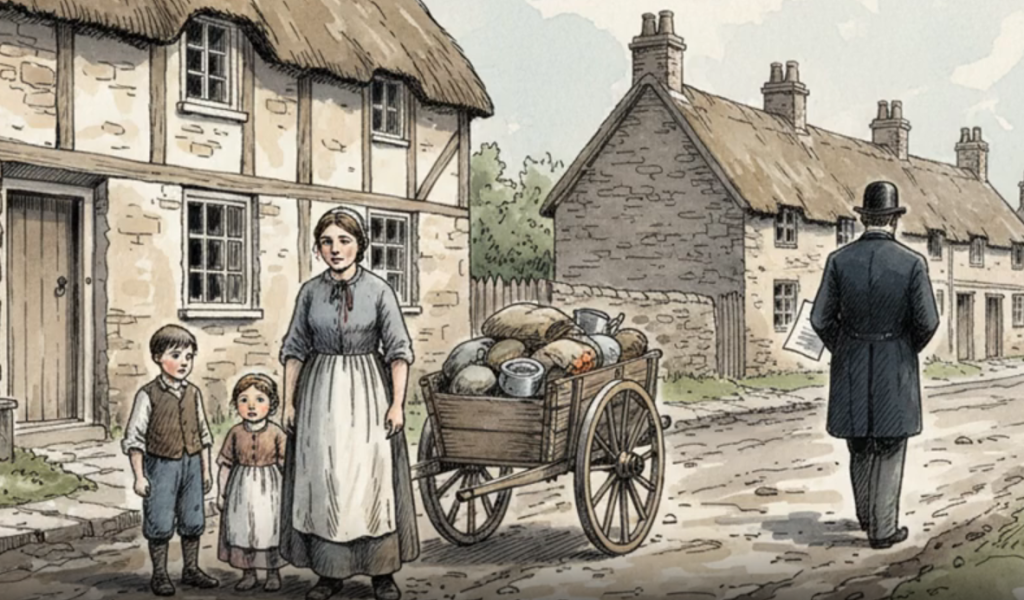
Now, the certain conflict of life here was something called the ‘Tied House’ or ‘Tied Tenancy’. Basically, your home came with your job. that meant that if you got fired, for any reason at all, you and your entire family were evicted. Simple as that.
This system created this constant, underlying system of fear. Complaining about the awful housing conditions of the place you had to live? Well, that could get your put on a Company Blacklist making you totally Unemployable.
With so little power, people had to rely on each other. That just strengthened this community bond in the face of all that shared hardship.
Danger below the Ground
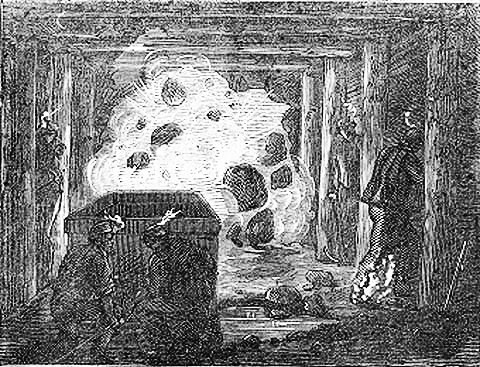
Beyond the unstable housing situation, the job Itself was a daily roll of the dice. Life above ground was tough yes. But life below ground? Well, that was just filled with danger. The Pit shaft was sunk 141 feet. Thats how far the men of Cappers would go down every single day. Just try and Imagine that journey in a rattling cage Plunging Into absolute darkness. Far away from the sun and the sky. Then to go and work a dangerous seam of rock for hours and hours. It was really a completely different world down there.
This danger was just some abstract Idea either. These were the realities of the day. Real conditions for real people. We can see proof of this in local Newspaper reports. One paper reports of a Cappers man named William Haddow. He was unloading the hutches up top when he missed his step and fell down the mineshaft. Plunging Into the darkness, the whole 141 feet. But as if that wasn’t bad enough, the Hutch full of coal he was unloading fell on top of him. He left behind a wife and kids. This was the human price of that ‘Industrial Boom’.
The fate of William Haddow was just One of so many things that could go wrong. Danger was literally everywhere. The roof could collapse on you. The cage you rode in could fail. Tunnels could flood in an Instant and the very air you were breathing could turn deadly. Every single day was a risk and the only people who truly understood that, were the men working amongst it, building these Incredible bonds of trust in what was probably the most dangerous place on Earth.
Why the Village of Cappers Vanished
So, if these villages are so essential, why aren’t they still here? Well, you see the very same forces that created them, also planted the seeds of their own destruction. the life cycle of these villages was honestly, brutally simple. They were built for one reason, and One reason only. the Mines. When the Coal or the Ironstone ran out, or It just got too expensive to mine, the mine closed. just like that, the entire reason for the village to exist was gone. The company had no more use for the houses, and the workers had no more Jobs.
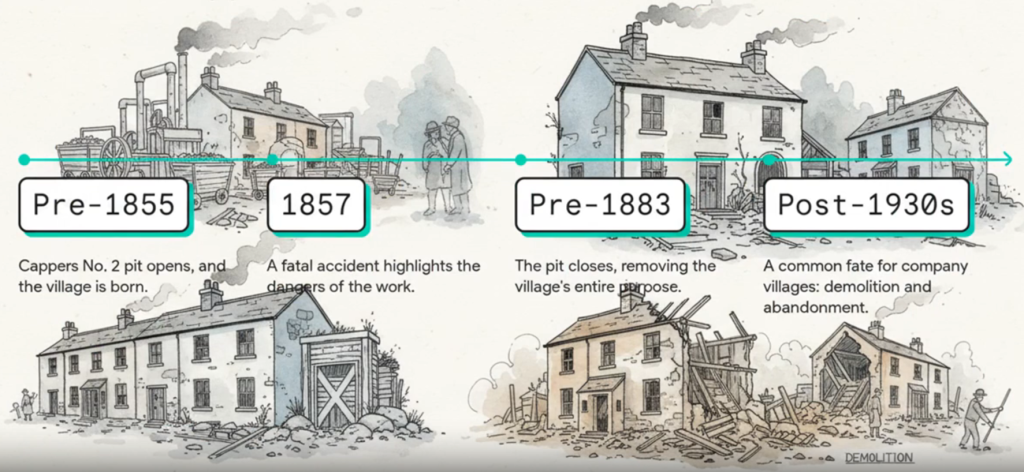
You can see the whole Life Cycle of Cappers laid out In this Diagram right here and shows the complete Timeline of the Village. It was born out of Industrial need. It lived a very hard life that was defined by that Industry. Once the mine closed iIt’s doors in 1883, It’s fate was pretty much sealed. The final step was often demolition. Sometimes decades later when the houses were finally cleared and everyone had moved off.
In the end, the families just had no choice. They had to just pack up and follow the work wherever it went next. The houses were left empty. They fell Into disrepair. Eventually, they were just knocked down. this community, which was once so vibrant and large, was scattered. The village Itself was just completely erased from the landscape.
Echoes in the Landscape
But if you were to go looking for the Lost Village of Cappers today, are there any traces left? I mean what is the legacy of the place? Here is the most powerful part of the whole story. the real Paradox of it all. Despite the poverty, the danger and the total lack of control over their own lives, many former residents remember these lost villages. they talk about this Incredible strength of community. A friendliness that was born from that shared struggle and being absolutely certain that your neighbours had your back.
For the kids who grew up there, It wasn’t some temporary Industrial camp. It was just ‘home’. So that leaves us with this final, really powerful question. Were these places just a harsh bi-product of an Industrial age that’s probably best forgotten? Or, was something truly valuable lost when the last of those bricks were torn down? A unique kind of community spirit, born from that shared struggle that maybe we dont see so much today.