
When you look around the countryside today, what do you see? Probably the rolling Bathgate Hills, Bings, Sprawling farms and tidy little stone walls or Tree lined hedges to contain them. But what if I told you that just a few centuries back, it was a totally different world. We’re talking about a landscape absolutely packed with lively little farming communities. communities that in the span of just One person’s life, were basically wiped off the map.
Well, that brings us to a really fascinating historical Puzzle. How on earth did hundreds of these thriving little communities throughout West Lothian, just completely vanish? This wasn’t just some slow and gradual fading away. This was a sudden, radical and for the people living there, an absolutely devastating change.
West Lothian’s Lost Farming Communities
So, what happened? Well, the answer has a name – The Lowland Clearances. You have no doubt heard of the Highland clearances. Most people have as they get a lot of attention. But a very similar, perhaps quieter revolution was happening down South. From about 1760 to 1830, this massive shift in farming, the Scottish Agricultural revolution basically ripped Thousands of families from the lands their families had been farming for generations.
Farming the Old Way
To really get an understanding on just how big this change was, we Fist need to Understand what was lost. So lets rewind the clock a bit and see what life was actually like before this agricultural revolution kicked off.
Well, the absolute core of these communities and this way of life was something called the ‘Fermetoun’. Now, if your mind conjures up some Idea of a single family living on a big isolated farm, then you need to stop right there. Youre way off the mark. Thats not what this was.
The ‘fermetoun’
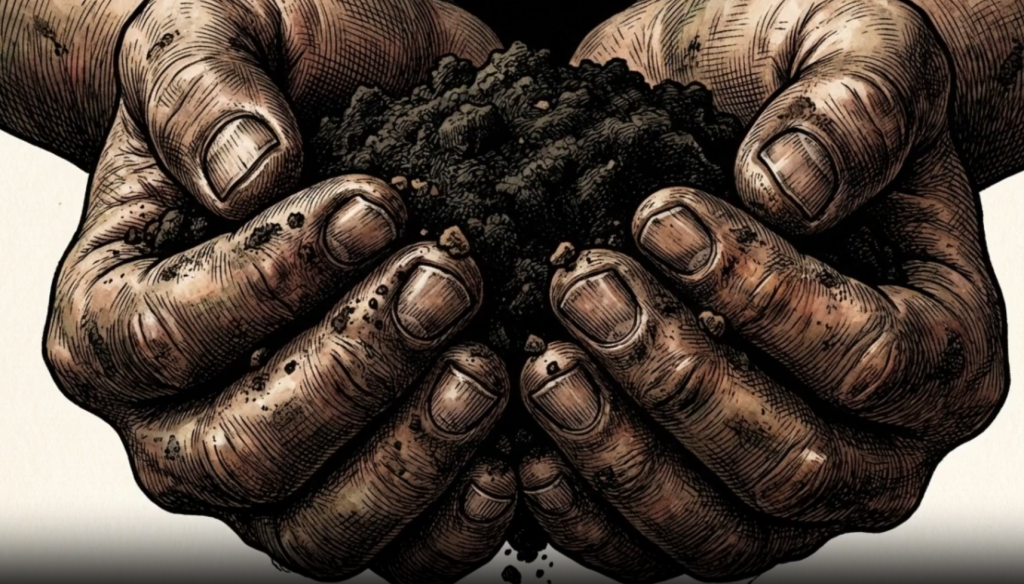
A Fermetoun was more like a tiny village. It was a cluster of homes where a handful of maybe Ten to twelve families all worked the land together. It was all about community and sharing everything, and the way they did things was just so different from anything we recognise today. They had a system called ‘Runrig’. Basically, theyd take a piece of farmland, divide it into these long strips. These strips were knows as Rigs due to their long ridged shape.
This way, everyone in the Fermetoun would get a strip of land to grow their crops on that theyd rent from the landowner, or ‘Laird’. The tenancies of the strips was rotated every year so that everyone got their fair share of the Good and the bad when it came to land fertility.
But here was the crucial part – You didn’t pay your rent in Cash. You paid with what you grew and raised. This whole system of paying rent had it’s own vocabulary. The grain you had to deliver was called ‘Ferme’ and then there was ‘Kain’ which was your payment in Livestock. Things like chickens or maybe some other produce. For generations, this is how it worked. You paid your landlord with a slice of your harvest.
The Revolution in Rent
But then, right around the middle of the Eighteenth century, that whole foundation started to crumble. A new Idea, a very powerful One, started spreading amongst the Land owners – Cash! They decided that Cash was king. This wasn’t just some minor alteration to the existing system. It was an entire overhaul of the agricultural and farming system altogether. A full blown revolution was about to tear apart the whole Fermetoun way of life.
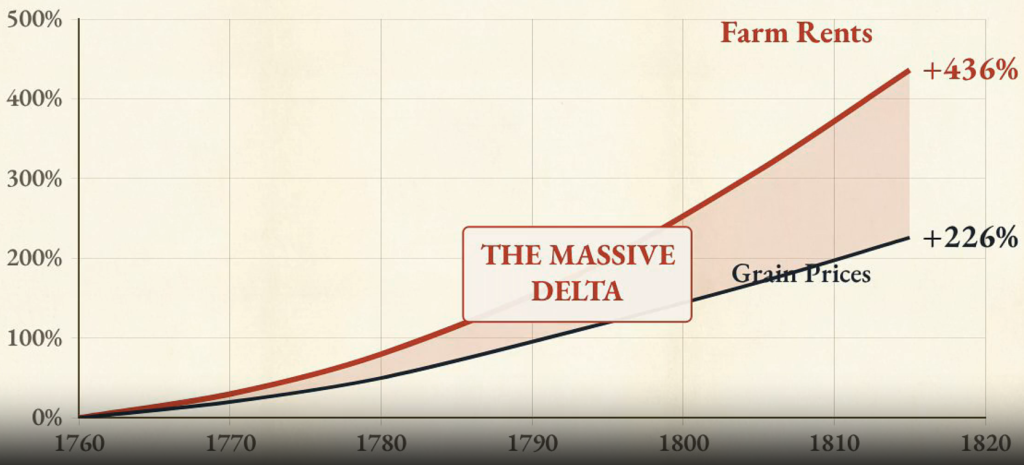
The pressure this put on the tenants was immense. When a landlord switched over to asking for Cash as rent, the prices the demanded went right through the roof. We’re talking on average, rents quadrupling. Four times higher in just Thirty Years. Seriously! Just stop and think about that. Imagine your rent suddenly jumping to over 400%. Thats not just some abstract average either. We have the records.
Look at the Castle milk estate for example. There was a farm there called ‘Windlaw’. In 1799, the rent was £45. Just Twenty-Two years later, it was £250.Thats a 455% Increase. this was the reality, and for so many people, there was just no way they could possibly keep up.
Why did the Farming Communities Change?
So, the big question is ‘”Why?” Why would they suddenly ditch a system that had been In place for centuries. What was the big rush to get cash. especially when it was causing so much Chaos. Well, there was a few big things pushing this change. First, food prices were soaring thanks to the Cities growing and the Napoleonic wars. Landlords figured that they could make a lot of money and selling it on the open market themselves.
They also started to see cash as being more stable than the fluctuating grain prices. Then there was this whole Idea of Improvement. they got this Idea in their head that the Old communal way was less efficient. The future was in Big farms with a single tenant. All designed to make a profit.
The Price of Progress
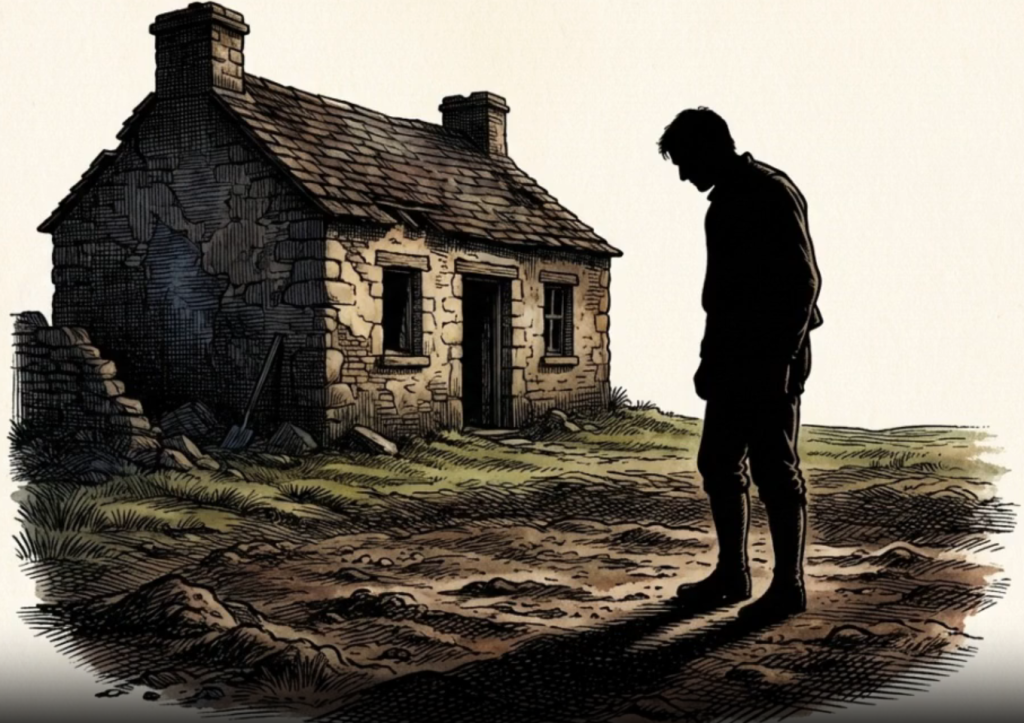
So this big push for what they called ‘Progress’ came with a massive human cost because when you move to these cash rented farms, suddenly there’s no room left for the little communities of the Fermetoun. This wasn’t something that people only noticed in hindsight. they saw it happening right in front of their eyes.
There was a writer named George Sommerville who in 1805, was writing about exactly what he was seeing; “The Old village is literally falling apart and has been replaced by that single old lonely Farmhouse that we now think of as Normal”.
Where did the People Go?
So, where did all these Thousands of People go? I mean, they had to go somewhere. Well, many flooded into the already growing Industrial cities. Places like Glasgow and Edinburgh. Some moved into new villages which the land owners themselves built. others travelled even further looking for work in the factories and mines of Northern England. then there were a whole load of these people who just left the country entirely. Making that long and dangerous trip over the ocean to start a new life in places like Canada.
The pressure to get out was just relentless. Smaller farms were being swallowed up, combined and made into these bigger operations. If you couldn’t pay this new Cash rent, then you were in deep trouble. You fall into debt, face legal action and you could have everything you own seized before being kicked out. For most of the people, leaving wasn’t really a matter of choice, it was the only option they had.
A transformed Landscape
So, you see, the Lowland clearances done a whole lot more than just change Individual lives. It completely redrew the map of West Lothian and all of Southern Scotland. Both physically and socially. the landscape we look at today is a direct legacy of that turbulent time and the change was quota.
Think about it. the bustling little Fermetoun s? Gone. Replaced by single Isolated Farm houses. Those open, shared Runrig fields? Walled off and turned into those private, enclosed fields that we have now. Farming just to survive quickly became farming to make money. An entire society of tenants become the workforce of ‘day labour’.
All of this leaves us with a really important question to think about. This whole period became known as the ‘Agricultural Revolution’. A time of so called ‘Improvement’. But you have to ask – Progress for who? So, the next time youre driving through the peaceful and green West Lothian Countryside, just take a second. Think about those lost communities and forgotten stories. They might just be there just below the surface of these quiet green fields.