
Tucked away in the heart of Scotland’s Central Belt, the small village of Bents in West Lothian is a place where history runs deep beneath the soil. Often spoken of in the same breath as its immediate neighbour, Stoneyburn—so much so that the two are frequently referred to as “Stoneyburn and Bents”—this resilient community boasts a fascinating story. From its quiet agricultural roots to its bustling days as a hub of Scotland’s industrial revolution, the history of Bents is a quintessential tale of a Scottish mining village.
The History of Bents
If you have ever wondered how this West Lothian settlement came to be, how it thrived, and how it continues to evolve today, you are in the right place. Let us take a journey back in time to explore the complete history of Bents.
The Early Origins of Bents
Before the smoke of the industrial revolution billowed across West Lothian, the landscape of Bents was markedly different from what we see today.
Agricultural Beginnings
For centuries, the land upon which Bents now sits was dominated by sweeping moorlands, rural farmsteads, and dairy farming. Situated a few miles from Bathgate and Whitburn, the area was sparsely populated. Life here was dictated by the changing seasons and the demands of agriculture. The very name “Bents” is thought to derive from an old Scots word referring to a type of stiff, reedy grass that grew abundantly on the open moors and sandy hillocks of the region.
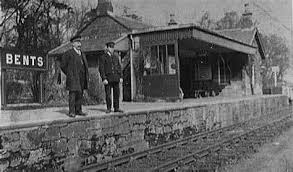
The Arrival of the Railway (1865)
The trajectory of Bents shifted dramatically in the mid-19th century. As the thirst for coal and iron ore grew across Britain, improved transport links became a necessity. In February 1865, the Edinburgh and Glasgow Railway opened the Bents railway station.
Situated on the Longridge and Bathgate Extension Railway, the station was originally designed solely for the transportation of goods—specifically, the rich minerals being extracted from the local earth.
The arrival of the railway put Bents on the map. Soon, the station expanded to accommodate passenger trains, connecting the previously isolated rural area to the bustling towns of West Lothian, Edinburgh, and Glasgow. This railway link was the vital artery that would pump life, industry, and people into Bents.
The Industrial Boom: Coal, Clay, and Community
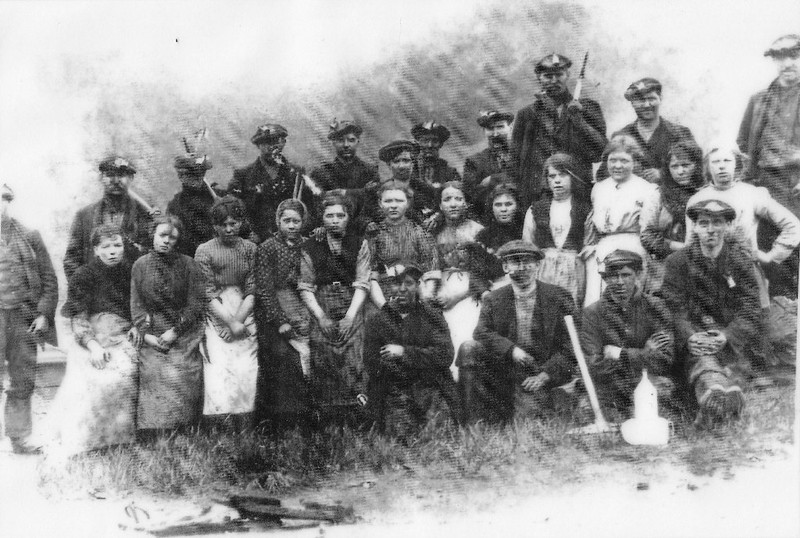
The true making of Bents occurred beneath the ground. By the late 19th and early 20th centuries, West Lothian was the beating heart of Scotland’s coal, iron, and shale oil industries. Bents and the adjoining area of Stoneyburn were built on this “black gold.”
The Rise of Bents Fireclay Mine and Local Collieries
While the nearby Foulshiels Colliery in Stoneyburn drew hundreds of coal miners to the area, Bents had its own specific claim to fame: fireclay. The Bents Fireclay Mine was renowned for producing excellent quality fireclay containing 42% alumina. This specific clay was highly sought after and was used to manufacture the famous “Mars” brand of firebricks, essential for lining the high-temperature industrial furnaces operating across the British Empire.
The mining operations required a massive workforce. Men, and often young boys, worked in grueling and dangerous conditions underground. The work was incredibly difficult, but it forged an unbreakable sense of camaraderie and solidarity among the working families of Bents.
The 1919 Housing Scheme: Building a Village
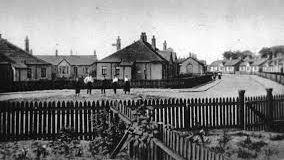
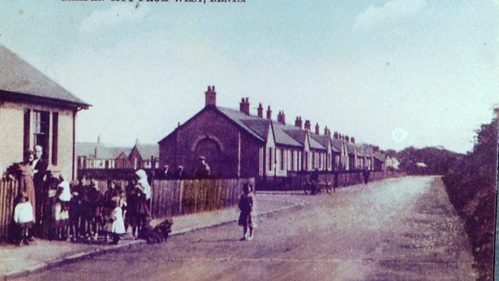
With the rapid expansion of the collieries and fireclay mines, there was a desperate need for worker accommodation. To solve this, the United Collieries company initiated a major housing development in Bents in 1919.
This development fundamentally transformed Bents from a scattered collection of rural dwellings and a railway station into a structured, close-knit village. The initial scheme saw the construction of 138 homes explicitly built to house the miners and their families.
While the amenities were basic by modern standards, these homes provided the foundation for a vibrant, tight-knit community bound together by the shared experiences of life at the pit.
The Decline of Mining in West Lothian
Like many industrial villages across Scotland and Northern England, Bents faced a harsh economic reality in the mid-20th century. The natural resources that had birthed the village began to dwindle, and the global economic landscape was changing.
The Closure of the Railway and Mines
The Bents Fireclay Mine, having exhausted its prime workable seams, eventually closed its doors in 1929. The coal pits in the surrounding areas managed to survive slightly longer, with the massive Foulshiels Colliery continuing production until 1957.
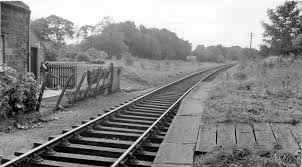
As the local industry wound down, so too did the infrastructure that supported it. Passenger services at the Bents railway station were halted on May 1, 1930, as the advent of the motorbus made rail travel less economically viable for rural communities. The station remained open for freight until 1955, carrying the last of the local mineral wealth away before closing completely.
The closure of the mines and the railway was a severe blow to Bents. The village lost its primary source of employment, and many families were forced to look further afield to Bathgate, Livingston, or Edinburgh for work. Yet, despite these economic hardships, the spirit of the Bents community refused to be extinguished.
A Community With a Vision
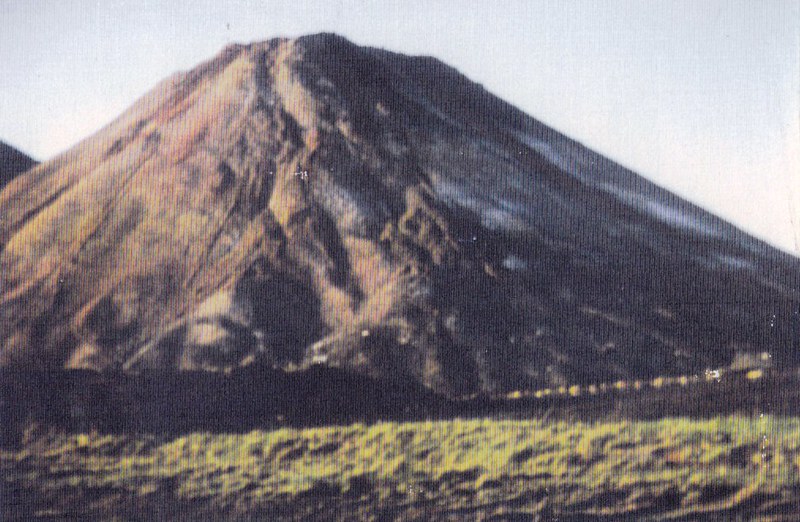
Today, the sprawling industrial complexes, the white railway gates, and the towering bings (spoil heaps) that once defined the landscape have largely been reclaimed by nature. The site of the old Foulshiels colliery is now a lush public woodland managed by the Woodland Trust, showcasing the remarkable healing power of the natural world.
Remembering the Miners
The people of Bents have never forgotten the sacrifices of their ancestors. The legacy of the miners—some of whom tragically lost their lives in the pits—is a cornerstone of the village’s identity.
In recent years, the community has made concerted efforts to preserve this history. In 2024, the Stoneyburn and Bents Future Vision Group unveiled a poignant Miners’ Memorial. This beautiful tribute includes historical cairns and authentic miner’s hutches, notably built by local students from West Lothian College.
Furthermore, the Stoneyburn Heritage Trail now guides visitors and locals alike through the village, using QR codes and physical markers to tell the stories of the people who lived, worked, and died building this community.
Looking to the Future
While deeply respectful of its past, Bents is a village looking firmly toward the future. Thanks to the relentless work of local organizations like the Stoneyburn and Bents Future Vision Group, the community benefits from various social clubs, youth groups, and environmental initiatives.
Furthermore, Bents is experiencing a modern revival in population. Recognizing its excellent location within the Central Belt—offering a semi-rural lifestyle with close proximity to the M8 motorway and major cities—developers and the Scottish Government recently approved plans for hundreds of new homes in the area. This new chapter promises to bring fresh faces and renewed economic vitality to the historic village.
Why the History of Bents Matters
The history of Bents is not just a local curiosity; it is a microcosm of Scotland’s wider industrial narrative. It tells the story of how the earth was harnessed to fuel an empire, how communities were built around shared labour, and how those same communities adapted and survived when the industries inevitably faded.
Today, Bents stands as a testament to the resilience of the working class. From the high-grade fireclay pulled from the dark earth to the bright, community-driven projects of the 21st century, Bents remains a proud, enduring cornerstone of West Lothian.