
Nestled in the heart of West Lothian, Scotland, the village of Winchburgh boasts a rich, multi-layered history that spans over a millennium. For those exploring the history of Winchburgh, the landscape tells an incredible story. From its medieval roots and royal connections to its pivotal role in the global shale oil boom, Winchburgh has continuously evolved. Today, it stands on the precipice of a modern renaissance, transforming into one of the most exciting placemaking projects in the United Kingdom.
The History of Winchburgh
In this article, we will take a deep dive into the history of Winchburgh, exploring how a sleepy agricultural settlement became an industrial giant, and how its legacy continues to shape the community today. From It’s humble beginnings in medieval times to the bustling commuter town that It is today.
Early Beginnings: The Medieval Origins of Winchburgh
Long before the industrial revolution transformed the Scottish landscape, Winchburgh was a quiet, rural settlement. However, the history of Winchburgh dates back much further than written records suggest.
Archaeological Discoveries and Royal Connections
In 2013, prior to the construction of new housing developments, archaeological excavations revealed a sub-circular double-ditched enclosure. Radiocarbon dating of waterlogged wood and animal bones placed the site between 1600 and 200 BC. This incredible discovery indicates that people were living and working in the Winchburgh area at least a thousand years before the town was ever formally recorded.
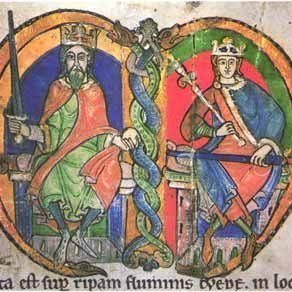
The earliest written references to the settlement date back to the 12th century. In 1169, the lands were confirmed to Philip de Setune (Seton) by William the Lion, King of Scots. In 1189, the village appeared in records under the spelling “Wincelburgh.” The name is believed to derive from the words wincel and burh, translating roughly to “town in the nook or angle.” Local historians suggest that Winchburgh was likely named after the distinct bend in the nearby Niddry Burn.
The village even played a supporting role in the legendary Battle of Bannockburn in 1314. Following the Scottish victory, Lord Douglas relentlessly pursued King Edward II and the fleeing English army, eventually forcing both sides to camp overnight in the vicinity of Winchburgh before the English continued their retreat toward Dunbar.
Royalty and Ruin: The Legacy of Niddry Castle
You cannot discuss the history of Winchburgh without mentioning its most famous historical landmark: Niddry Castle. Constructed around the 15th century by Lord Seton, the imposing L-plan tower house was a stronghold of immense regional importance.
Mary, Queen of Scots
Niddry Castle’s most famous moment in the spotlight occurred in 1568. After a daring escape from imprisonment at Loch Leven Castle, Mary, Queen of Scots, made her way to Niddry Castle. She sought refuge here for her first night of freedom, an event that forever cemented Winchburgh’s place in royal Scottish history.
The castle and its surrounding lands are also famous for an entirely different reason. In the 17th century, the gardener of Niddry Castle, John Reid, wrote a book titled The Scots Gardner (1683). Widely considered the very first book on Scottish gardening, it inspired people across the country to keep bees and grow their own produce.
By 1700, Niddry Castle was abandoned when the owner, John Hope, relocated to the grander Hopetoun House. Today, the castle still stands as a romantic ruin overlooking Winchburgh.
The Industrial Revolution: Paving the Way for Progress
As the 19th century dawned, the history of Winchburgh was forever altered by the arrival of the Industrial Revolution. The agricultural landscape began to shift, making way for ground-breaking engineering and infrastructure.
The Union Canal and the Railway
In 1822, the Union Canal officially opened. This incredible waterway provided a vital link between Edinburgh and Glasgow, allowing goods and people to move freely across the central belt of Scotland. The canal snakes gracefully through Winchburgh, and today it remains a focal point for leisure and recreation.
Just two decades later, in 1842, the Edinburgh to Glasgow railway line opened. This monumental project included the construction of the Winchburgh Tunnel, supervised by the renowned Scottish civil engineer John Gibb. A passenger railway station was built in Winchburgh, providing locals with unprecedented connectivity until its eventual closure in 1930.
However, after almost a century with No Train station, Winchburgh just received the go ahead in 2025 for a new railways station in Winchburgh to facilitate the new commuter town the village has become.
The Shale Oil Boom: The Catalyst for Modern Winchburgh
The most defining era in the history of Winchburgh began in the mid-19th century. As the Industrial Revolution roared on, the demand for oil to lubricate mill machinery skyrocketed. When traditional whale oil supplies dwindled, innovators looked to the earth.
James “Paraffin” Young and the Oil Works
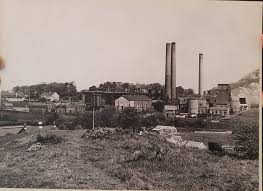
In 1850, a Glasgow-born chemist named James “Paraffin” Young patented a process for extracting oil from coal, and later, from oil-bearing shale. West Lothian was found to be sitting on a massive, untapped reserve of this sedimentary rock.
Winchburgh quickly became the epicentre of the Scottish shale oil industry. The Hopetoun Oil Works was constructed in 1872, followed by the Niddry Castle Oil Works in 1903 by the Oakbank Oil Company. The latter was pioneering, becoming the first works to use electrical power for all major processes, including an electric tramway to convey shale from the mines.
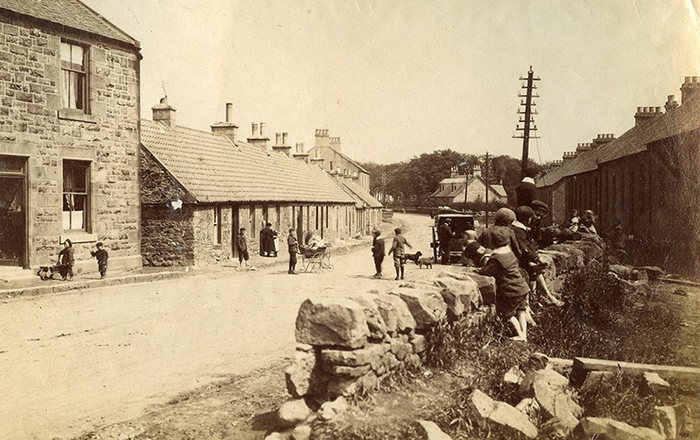
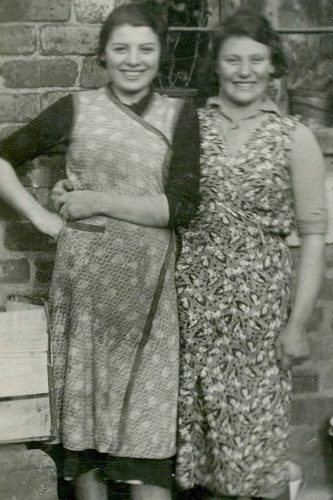
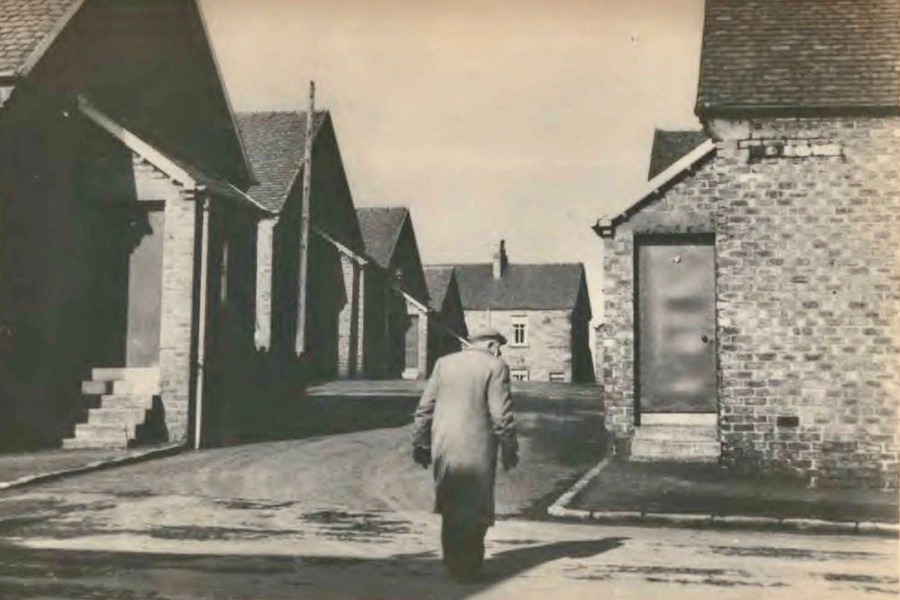
The population of Winchburgh exploded. Miners flocked to the area from all over Scotland and Ireland looking for work. To accommodate them, companies built distinct red-brick miners’ rows—terraced housing specifically designed for the workforce. The bricks were sourced locally from Dougal’s Brickworks. Winchburgh transformed from a quiet parish into a bustling, humming industrial community.
The Iconic Red Bings of West Lothian
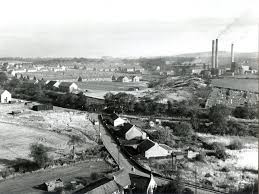
The shale extraction process was incredibly wasteful. For every ten barrels of oil produced, six tons of burnt shale waste were generated. This spent shale, known locally as “blaes,” was dumped on the outskirts of the mines, creating colossal, man-made red hills known as “bings.”
The bings surrounding Winchburgh—such as the Faucheldean Bing—completely altered the topography of the area. Once viewed as industrial blights, these bings are now celebrated as historical monuments. Due to the sterile nature of the shale, they have evolved into unique ecological islands, providing safe habitats for rare flora and fauna, including badgers, deer, and unique plant species.
Decline and Dormancy: The End of an Industrial Era
The Scottish shale oil industry reached its absolute peak in 1913, producing millions of barrels of crude oil. However, the boom could not last forever. Following World War I, the industry faced fierce competition from cheaper, liquid oil imported from the Middle East.
However, despite government support during the Second World War, the industry steadily declined. Hopetoun Oil Works closed its doors in 1946, and the Niddry Castle Works eventually ceased production in 1960. By 1962, the entire Scottish shale oil industry had collapsed.
But then, Winchburgh entered a period of dormancy. As the 1960s and 1970s brought the construction of the M8 and M9 motorways, Winchburgh was entirely bypassed. Without its core industry and isolated by modern road networks, the village grew quiet, serving primarily as a peaceful commuter settlement.
The Modern Renaissance: A Masterplan for the Future
Today, a new chapter in the history of Winchburgh is being written. The village is currently undergoing one of the largest and most ambitious placemaking and urban expansion projects in the United Kingdom.
Auldcathie District Park and the New Marina
Granted planning permission in 2012, the £1 billion Winchburgh masterplan is transforming the area. The project promises over 3,800 new homes, state-of-the-art primary and secondary schools, and extensive commercial spaces.
At the heart of this modern renaissance is the incredible environmental reclamation of the Auldcathie landfill site, which has been transformed into a stunning 85-acre district park. Furthermore, the historic Union Canal has been revitalized with the completion of the new Winchburgh Marina, bridging the gap between the village’s industrial past and its recreational future.
In a massive victory for local connectivity, a brand-new junction on the M9 motorway was recently opened, finally connecting the “bypassed” village directly to Edinburgh and the wider central belt. Plans are also actively progressing to reopen the Winchburgh railway station, bringing the town’s transport history full circle.
Winchburgh Today
The history of Winchburgh is a remarkable tale of resilience and transformation. From a medieval agricultural nook hosting fleeing kings and a captive Queen. To a fiery powerhouse that literally fuelled the Industrial Revolution, Winchburgh has always punched above its weight. As the village expands into a bright, modern future, the shadows of Niddry Castle and the towering red bings stand as proud sentinels, ensuring that the incredible history of Winchburgh will never be forgotten.