Turnhigh Farm, Whitburn, West Lothian, EH47
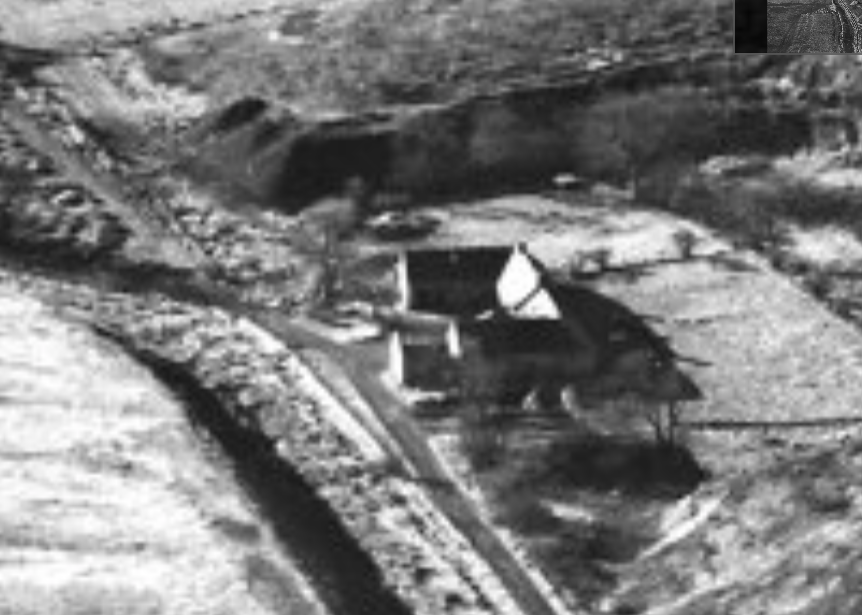
Turnhigh Farm was am ancient Farmstead that was situated Just to the South, South-West of Whitburn. Throughout the ages, the farm withstood raids from Royalist Troops on Its covenanter residents. The Agricultural revolution of the 18th century and the Lowland clearances that followed it. Even when up to its neck in Coal Bing, still managed to Withstand the 19th and 20th century Coal Mining boom. Only to be obliterated by the ‘Regeneration’ Era.
Turnhigh Farm
The Killing times
The earliest written record we have for Turnhigh, or ‘Dunheigh’ as it was called, was in 1684. This was during a period of Scotland’s history commonly known as “The Killing times”. It refers to a Covenanter John Steel who was recorded as living in this fermetoun . He’d been hiding out on the nearby Polkemmet moor, but would sneak home to Turnhigh to see his family.
One night, his Family’s cottage was raided by soldiers searching for him. But he is said to have escaped by hiding in the hay in the byre. The soldiers are said to have paggered the hay with their swords. But, as the story goes, the fugitive had their bible in their breast pocket where it deflected the blow from a sword thrust, this saving his life.
Now, the accuracy of why he wasn’t stabbed by the blades of the troops may be questionable. But we can categorically say that the raid on Turnhigh did happen and John Steel was indeed a real covenanter Fugitive who lived here. But more importantly, we can see that Turnhigh was a well established little fermetoun, marked on some 16th and 17th century maps as “Turnheigh” and “Dunheigh”.
Turnhigh Farm
Throughout the 18th century, the Farmstead transitioned from its medieval fermetoun into a single tenant Farm. In 1870, an estate plan drawn up by neighbouring Reveston House whose estate Turnhigh sat upon. It states that the Minerals were not let at this stage.
1871 – Shanks Family Lived here – William Shanks, aged 45 who was originally from Slamanan and his wife Catherine Shanks who was 35 and from Shotts. . They had Two Sons and farm labourers who lived with them.