
Scotland holds many secrets within its ancient borders. West Lothian’s Historic Buildings boast some of the most fascinating architectural wonders. You can trace centuries of dramatic history right here.
A Journey Through the Historic Buildings of West Lothian
Every town and village tells a completely unique story. From royal retreats to industrial powerhouses, the landscape constantly changes. The region offers a diverse catalogue of structural marvels. We will explore this captivating heritage together. Let us step back in time. We will uncover the secrets of these stone giants.
Medieval Castles and Royal Palaces
Royalty heavily favored this region during the medieval period. Linlithgow Palace stands as a breathtaking ruin today. It sits peacefully beside a tranquil, scenic loch. Mary Queen of Scots was born within these very walls. Kings and queens enjoyed luxurious retreats at this grand palace. The architecture reflects the immense wealth of the Scottish Crown. Fire completely devastated the structure in the year 1746. However, its grand facades still dominate the local skyline today. The ornate courtyard fountain highlights exceptional Renaissance stone carving skills. Visitors can still climb the ancient stone spiral staircases.
Fortresses of Stone and Coastal Defences
Blackness Castle offers a stark contrast to Linlithgow nearby. Builders constructed this formidable fortress during the 15th century. It resembles a giant stone ship docked on the coast. The castle served as a royal residence originally. Later, it became a notoriously harsh state prison. Its incredibly thick walls withstood massive artillery bombardments over time. You can feel the chilling history inside its dark dungeons. The central tower houses the grimmest prison cells imaginable. Modern filmmakers frequently use this dramatic location for historical movies. The castle guards the Firth of Forth with imposing strength.
Small Towers and Hidden Medieval Gems
Midhope Castle hides quietly within the vast Hopetoun Estate. This 16th-century tower house boasts a classic Scottish Renaissance design. Fans of the television show Outlander will recognize it instantly. It serves as the fictional home of Lallybroch on screen. The exterior remains largely intact and visually striking.
Sadly, the interior is derelict and unsafe for visitors. Yet, the building captures the imagination of travelers worldwide. It represents the fortified homes of lesser Scottish nobility perfectly. Small turrets and crow-stepped gables decorate its ancient roofline.
Grand Estates and Seventeenth Century Historic Buildings
The 17th century brought entirely new architectural styles. Wealthy families built grand estates with sprawling, manicured grounds. Hopetoun House is a shining example of this opulent era. Sir William Bruce designed the original house in 1699. William Adam later expanded the magnificent mansion significantly.
The intricate exterior stonework showcases truly incredible local craftsmanship. Inside, you will find lavishly decorated drawing rooms and grand staircases. The state apartments feature priceless art and antique furniture. This house defines classic Georgian architectural elegance in Scotland.
Legends and Legacy at the House of the Binns
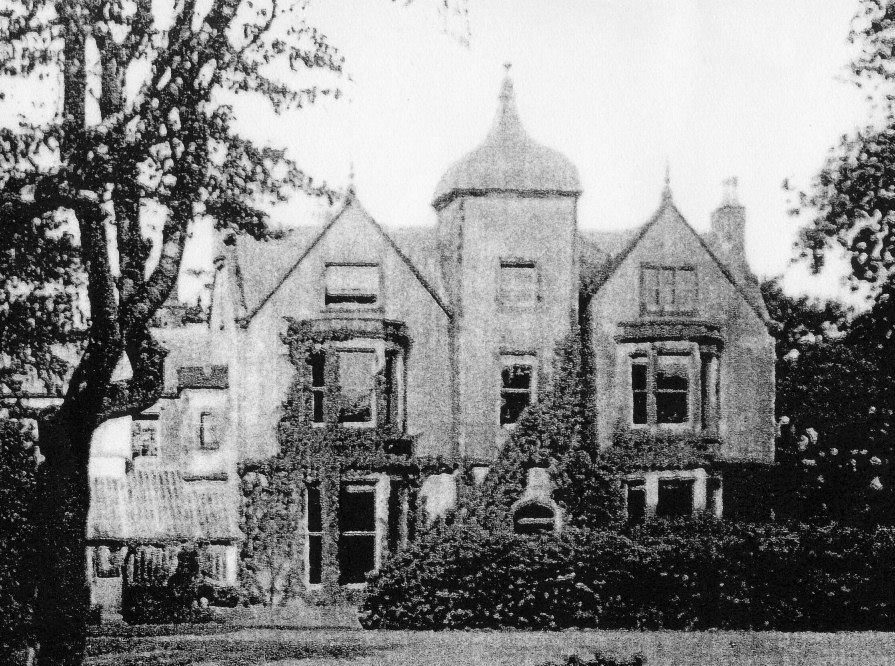
The House of the Binns presents another fascinating historic estate. The Dalyell family has lived here for over 400 years. General Tam Dalyell famously formed the Royal Scots Greys here. Local legends say he regularly played cards with the devil. The house features beautiful plasterwork ceilings in the main halls.
Rich family portraits line the ancient wooden panelled walls. The exterior displays unique seventeenth-century Scottish baronial architectural features. Peacocks freely roam the stunning landscaped gardens outside. The National Trust for Scotland now helps maintain this property.
Sacred Historic Buildings and Religious Preceptories
Religious structures form a huge part of the local heritage. St Michael’s Parish Church sits proudly next to Linlithgow Palace. It ranks as one of Scotland’s finest medieval churches. The building features magnificent stained glass windows and stone arches. Yet, an impressive modern spire now crowns its ancient stone tower. Craftsmen added this striking aluminium spire in the year 1964. So, It replaced a heavy stone crown that fell centuries ago.
The Ancient Knights of Torphichen Preceptory
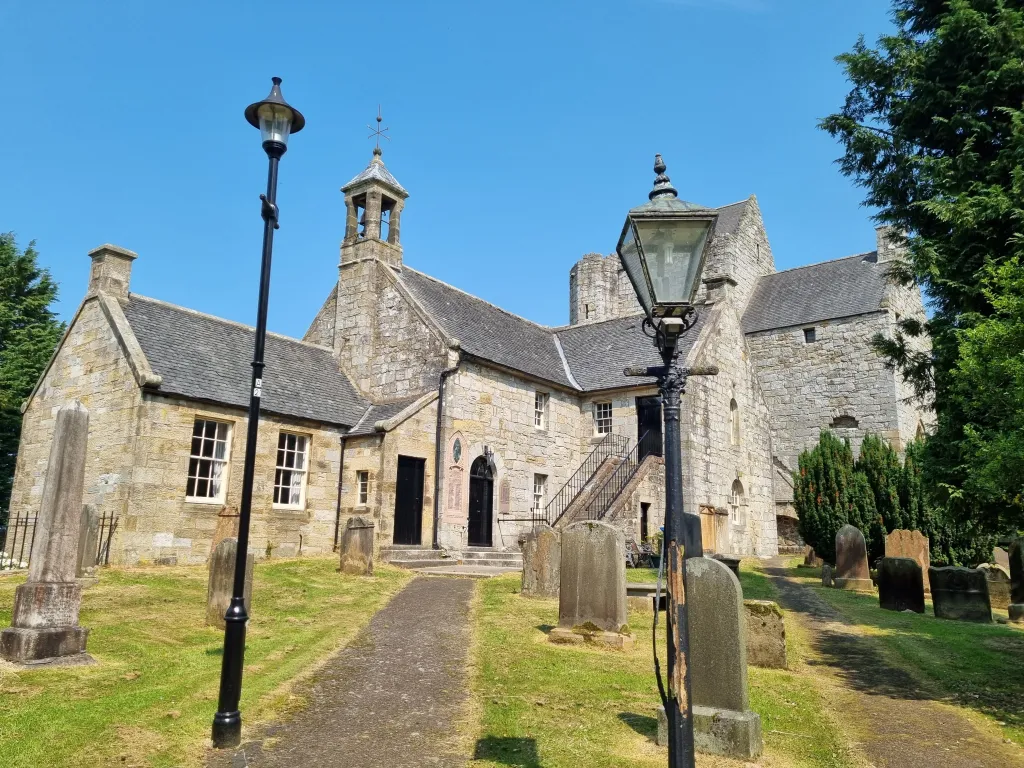
Torphichen Preceptory offers a rare glimpse into crusader history. The Knights Hospitaller, or ‘Knights of saint John of Jerusalem’. After the First crusade, the order came to Scotland and built this site in the 12th century. It served as their Scottish headquarters for hundreds of years. The remaining central tower features massive stone walls. You can admire the beautiful gothic arches inside the transept.
The preceptory was also the First port of Call for William Wallace after his victory at Stirlin Brig. It was here that he was bestowed the office of ‘High gaurdian of Scotland’. He was known to have used the preceptory and it’s old historic buildings as his Headquarters for his campaigns, until his defeat at Falkirk in 1298.
You can almost hear the chanting of ancient knights here. Sanctuary stones once marked a safe haven around the church. Debtors and criminals could seek refuge within this designated area. It remains a deeply peaceful and historically significant location.
Industrial Revolutions Historic Buildings
The 19th century completely transformed the local natural landscape. James Young discovered how to extract oil from shale rock. This sparked the world’s very first major oil boom. Workers hastily built massive red brick structures across the county. Bings, which are massive piles of mining waste, appeared everywhere.
These red mountains still dot the local horizon today. Entire villages of brick rows housed the massive mining workforce. Many of these sturdy Victorian cottages still exist in Broxburn. They represent the Historic Buildings of West Lothian just as proudly. They tell the vital story of the local working class.
Engineering Marvels of the Union Canal
The Almond Valley Heritage Centre preserves many vital industrial relics. You can explore old mill buildings and Victorian farm structures. The Union Canal also introduced impressive engineering feats to the region. Workers manually carved deep rock cuttings through the countryside. They built high stone aqueducts to cross deep river valleys.
The Almondell Aqueduct is a magnificent example of this masonry. The beautiful Linlithgow Canal Centre occupies original 19th-century canal stables. These highly practical structures show a different side of history. They highlight the incredible skill of Victorian civil engineers.
Victorian Civic Pride and Local Museums
Local towns expanded rapidly during the late Victorian era. Wealthy industrialists funded grand civic buildings and public libraries. Bathgate boasts some excellent examples of this confident architecture. The Bennie Museum occupies a traditional row of weavers cottages.
These humble buildings show how ordinary people lived and worked. The thick stone walls kept out the harsh Scottish winters. Small windows let in just enough light for the heavy looms. Preserving these everyday buildings is crucial for understanding our past. They offer a window into daily life centuries ago.
Railway Architecture and Victorian Transport Hubs
The arrival of the railway changed local architecture yet again. Victorian engineers built sturdy stone bridges across the rolling countryside. Linlithgow railway station is a prime example of this era. It features elegant ironwork and classic Victorian ticket offices.
The station building has welcomed weary travellers for over a century. Sturdy stone viaducts carry heavy trains across deep river valleys. These functional structures blend beautifully with the natural Scottish landscape. They remain a vital part of the daily commuter network.
The New Towns and Modern Twentieth Century Architecture
However, the 20th century brought rapid population growth and massive change. Notably, planners designated Livingston as a New Town in 1962. They designed innovative housing estates and highly modern civic centres. Although, the Brutalist concrete architecture made a brief but very memorable appearance.
Clean lines and highly functional spaces replaced ornate Victorian designs. St John’s Hospital brought a massive modern medical facility here. The town centre prioritized pedestrians with raised concrete walkways. This era created a completely new type of built environment.
Preserving Our Historic Buildings for Tomorrow
But, many older buildings found wonderful new life during modern times. Ultimately, developers successfully transformed old farmhouses into beautiful modern family homes. Councils renovated historic stone mills into stylish apartments and offices. This careful planning perfectly blends the old with the new.
However, protecting these historical treasures requires constant, dedicated community effort. Local groups work tirelessly to secure vital funding for restorations. Craftsmen use traditional methods to repair crumbling stone walls. But, we must maintain these vital physical links to our past. Therefore, they educate future generations about our shared cultural history.
A Final Look at Our Built Environment
West Lothian offers a truly remarkable journey through architectural time. You can easily touch the cold stone of medieval dungeons. Also, you can admire the refined elegance of Georgian stately homes. Then, you can explore the brick remnants of the industrial revolution. In fact, every single brick and stone has a story to tell.
Nevertheless, the diverse architecture perfectly reflects the resilience of the Scottish people. So, you should pack your bags and start your adventure today. The history is waiting for you to discover it soon. However, you gotta get out there and discover them for yourselves.
We try bring you the best factual knowledge we can bring you. However, there’s certain aspects you can only truly experience by being there. So, get a packed lunch in your bag and get out there and discover West Lothians amazing Historic buildings.