
West Lothian boasts a deeply fascinating past. Its economic landscape has changed dramatically over the centuries. Hardworking locals built this dynamic Scottish region. The progression of Industry in West Lothian transformed it from quiet farmland into an industrial powerhouse.
Discovering the History of Industry in West Lothian
We can trace this incredible evolution very clearly today. Every small town holds unique stories of hard labour. Generations of families dedicated their lives to local factories. Their tremendous efforts shaped the modern local landscape completely. Let us explore this remarkable journey together right now. We will uncover the true resilient spirit of this area.
Medieval Roots and Agriculture
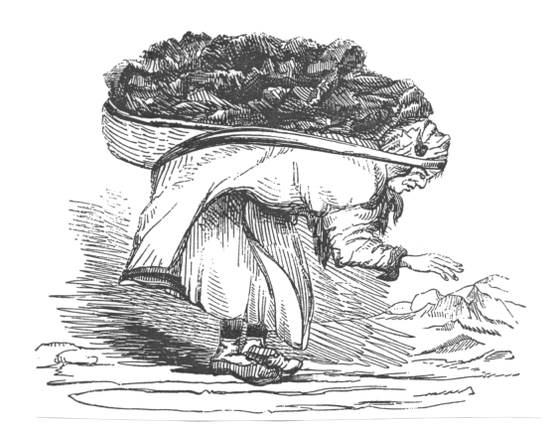
Medieval West Lothian relied heavily on basic farming. Monks at Torphichen Preceptory managed large agricultural estates. They grew essential crops and raised healthy livestock. Fast-flowing watermills ground raw grain into valuable flour. Small communities thrived around these vital medieval mills. Skilled blacksmiths forged strong iron tools for local farmers. Silver mining also began near Linlithgow during this time.
Scottish Kings valued this precious shiny metal highly. These early activities laid crucial economic foundations. They prepared the entire region for massive future growth. Trade routes slowly expanded across the beautiful county. Merchants traded warm wool and tough hides at local markets.
The Dawn of Coal Mining Industry In West Lothian
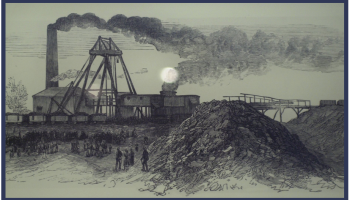
Coal extraction started on a very small scale initially. Locals gathered loose surface coal for simple home heating. Demand grew steadily by the late seventeenth century. Wealthy landowners opened much larger, deeper coal pits. Miners faced brutal and dangerous conditions daily underground. They dug hard coal using basic sharp hand tools.
This valuable fossil fuel powered early coastal salt pans. Coastal towns relied heavily on this salt for preserving food. Coal also supported rapidly growing inland industrial towns. Coal quickly became the absolute lifeblood of the economy. It shaped local communities for many generations to come. Miners formed incredibly tight bonds in these dark tunnels.
The Great Shale Oil Boom
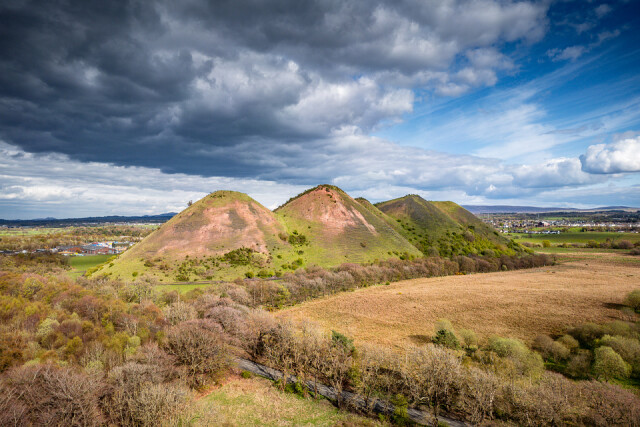
The nineteenth century brought truly massive economic change. James Young made a historic chemical discovery in 1852. He extracted useful paraffin oil from local cannel coal. He soon switched to processing abundant Scottish oil shale. This sparked a massive local shale oil boom. West Lothian quickly became the world’s premier oil producer.
Thousands of brave men worked in these dangerous mines. Hot heavy retorts burned day and night across the county. Companies dumped massive amounts of waste rock into large piles. Locals proudly call these iconic red dirt hills bings. They still dominate the dramatic West Lothian skyline today. These monuments remind us of a booming industrial past.
Exploring the History of Industry in West Lothian
The booming shale trade fuelled other vital businesses. Ironworks opened to supply expanding Victorian passenger railways. Bustling foundries cast heavy steel machinery for the busy mines. Brickworks successfully utilized the abundant local wet clay. They even turned shale waste into sturdy red building bricks. Large paper mills thrived along the fast river Almond.
Workers produced high-quality paper for profitable global export. The region pulsed with relentless and loud manufacturing energy. Towns like Bathgate and Broxburn grew extremely rapidly. New railways connected these bustling towns to major seaports. The regional economy reached incredible and historic new heights. Wealth flowed steadily into the growing Scottish county.
Railways and Infrastructure Growth
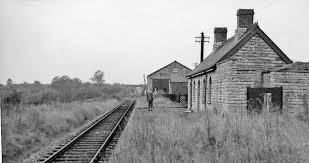
Transport links played a huge role in this success. Canals initially moved heavy goods across the wide county. The Union Canal transported raw coal directly to Edinburgh. However, steam trains quickly replaced the slow canal boats. Railway lines crisscrossed the entire local rural landscape. Trains moved shale oil and coal with incredible speed. This fast transport opened exciting new international retail markets.
Local factories could finally sell finished goods worldwide. Infrastructure investment created hundreds of vital construction jobs locally. Better paved roads eventually connected isolated mining villages together. Travel became much easier for everyday working citizens. The world suddenly felt much smaller and accessible.
The Decline of Heavy Manufacturing
The twentieth century brought severe and harsh economic challenges. Fierce foreign competition hurt the local shale oil trade. Imported liquid oil was much cheaper to process efficiently. The UK government eventually withdrew vital financial tax subsidies. The very last Scottish shale mine closed its doors in 1962.
Coal mining also faced a slow, painful, and steady decline. Deep pits became far too expensive to operate safely. The bitter miners’ strikes of the 1980s caused deep scars. The tragic Polkemmet colliery closure devastated many local families. Heavy industry almost entirely vanished from the local area. Communities struggled to find a new economic purpose. Unemployment rose sharply during this very difficult transition period.
The Rise of Silicon Glen
West Lothian urgently needed a fresh new economic direction. Smart leaders attracted modern technology companies to the area. The region proudly became a central part of Silicon Glen. Motorola opened a massive mobile phone factory in Bathgate. NEC built a huge advanced semiconductor plant in Livingston. Thousands found clean work in these bright modern factories. Electronics manufacturing permanently replaced dirty coal and oily shale.
This exciting tech era brought fresh hope and prosperity. Workers eagerly learned entirely new complex technical skills. The local economy successfully reinvented itself once again. Optimism finally returned to the hard-hit local communities. Livingston expanded rapidly to house these new factory workers.
The Shift to Retail and Logistics
The tech boom unfortunately did not last forever here. Global market shifts forced many large electronics factories to close. West Lothian adapted quickly to this harsh new reality. The town of Livingston expanded its commercial retail sector massively.
Huge shopping centers created thousands of important local jobs. Excellent motorway links attracted major national logistics delivery companies. Supermarkets built massive food distribution warehouses right here. Delivery drivers replaced factory workers on the busy roads.
The service sector now dominates the modern local economy entirely. Healthcare and education also employ many hardworking local residents. The area remains a vital hub for Scottish commerce. Consumers travel from afar to shop in Livingston.
Modern Food and Drink Production
Food and drink production remains incredibly important today. The region hosts several highly successful craft beer breweries. Distilleries produce fine Scottish whisky and popular craft gin. Large bakeries distribute fresh goods across the entire country. These modern businesses value high-quality local ingredients highly. They blend traditional Scottish methods with modern technology perfectly.
This growing tasty sector supports local farmers immensely. It creates stable jobs and adds rich regional flavour. West Lothian confidently exports these tasty products globally. Food tourism also brings new visitors to the county. People love tasting authentic goods from this historic area. Local produce wins many prestigious national tasting awards.
The Impact of Creative Industry in West Lothian
Creative industries now play a major local economic role. Film and television studios operate near Bathgate today. Huge soundstages host massive international movie productions. This brings exciting new artistic jobs to West Lothian. Local tradespeople build elaborate sets for famous Hollywood directors. Hotels and restaurants benefit greatly from visiting film crews.
This glamorous industry offers a stark contrast to mining. It proves the region can host global entertainment giants. Creativity now fuels exciting parts of the local economy. It showcases West Lothian to a massive worldwide audience. Actors and directors appreciate the excellent local studio facilities. This sector promises substantial future growth for the region.
Looking Towards a Sustainable Future
West Lothian continues to evolve and adapt today. Green energy projects are growing across the entire region. Modern wind turbines stand proudly near the historic shale bings. Companies develop innovative environmental technologies right locally. Small agile tech start-ups replace massive old industrial giants. The true spirit of local enterprise remains incredibly strong. The people here deeply understand hard work and resilience.
They always find exciting new ways to thrive financially. This dynamic area honours its hardworking past beautifully. It confidently builds a bright, prosperous, sustainable future. The legacy of industry lives on in the people. West Lothian will always remain a powerhouse of innovation.