
Nestled in the heart of West Lothian, the ancient town of Linlithgow is a place where Scottish history comes alive. Best known worldwide as the birthplace of Mary, Queen of Scots, this picturesque town has served as a royal retreat, a bustling centre of trade, and a pivotal military stronghold throughout the centuries. With its stunning loch, magnificent palace ruins, and charming high street, Linlithgow offers a window into Scotland’s dramatic past.
The History of Linlithgow
Whether you are a history enthusiast, a local resident of West Lothian, or a tourist planning a visit, understanding the history of this fascinating Historic Town provides a deeper appreciation for this remarkable town.
The Origins of Linlithgow
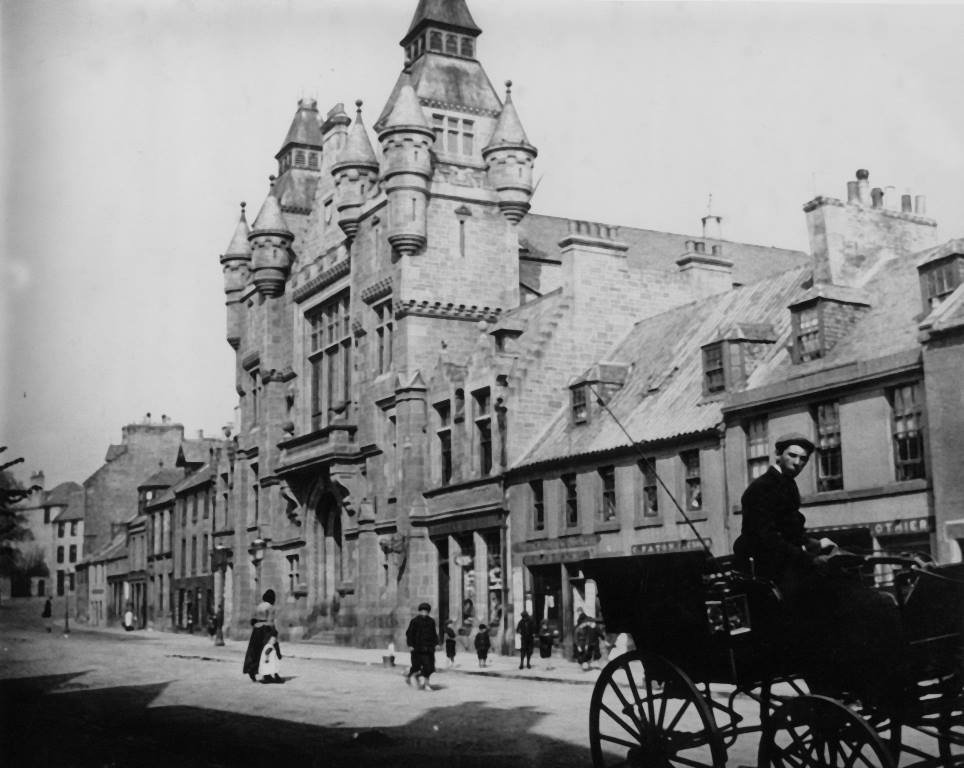
The story of Linlithgow begins long before kings and queens walked its cobbled streets. The name “Linlithgow” is derived from the ancient Brittonic language. It translates roughly to “the lake in the damp hollow,” a perfect description of the town’s geographical setting beside the beautiful Loch.
Archaeological evidence suggests that the area around Linlithgow has been inhabited since prehistoric times. Crannogs—ancient loch dwellings—have been discovered in the waters, indicating early settlements that relied on the loch for food and protection.
The Romans also left their mark on the wider West Lothian region, building roads and forts nearby as they pushed north into Caledonia, though Linlithgow itself truly began to flourish during the Middle Ages.
A Thriving Royal Burgh
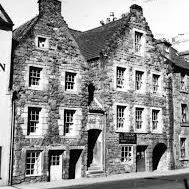
The turning point in the history of Linlithgow occurred in the 12th century. Recognizing the town’s strategic location midway between Edinburgh and Stirling, King David I declared Linlithgow a Royal Burgh in 1138.
This prestigious status granted the town significant trading privileges. Linlithgow quickly became a wealthy commercial hub. Its merchants traded goods such as hides, wool, and fish (caught from Linlithgow Loch) with Europe through the nearby port of Blackness.
The wealth generated by this trade funded the construction of impressive stone buildings and established Linlithgow as one of Scotland’s most important administrative centres.
Linlithgow Palace: A Royal Retreat
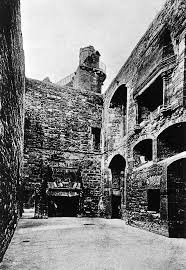
You cannot discuss the history of Linlithgow without marveling at its crown jewel: Linlithgow Palace. Today, its towering ruins dominate the town’s skyline, sitting proudly on a promontory overlooking the loch. But in its heyday, it was one of the most magnificent royal residences in Europe.
The English Occupation
Before the grand palace we know today was built, a manor house and a fortification known as “The Peel” stood on the site. During the Scottish Wars of Independence, the English King Edward I (the “Hammer of the Scots”) recognized the strategic value of this Royal burgh. In 1301, he occupied the town and expanded the fortifications. The English held the Peel until 1313, when it was famously recaptured by a Scottish farmer named William Binnock, who smuggled armed men into the fort hidden beneath a cartload of hay.
The Stewart Renaissance
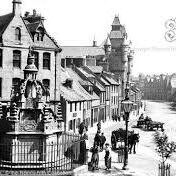
The golden age of Linlithgow began under the Stewart dynasty. Following a devastating fire in 1424 that destroyed much of the town, King James I initiated the construction of a grand new palace. Successive Stewart kings—James III, James IV, and James V—each added to the structure, transforming it into a magnificent Renaissance “pleasure palace.”
Unlike the cold, defensive castles found elsewhere in Scotland, this Palace was designed for comfort, entertainment, and relaxation. It was a favourite retreat for the royal family, offering excellent hunting in the surrounding West Lothian countryside and a peaceful escape from the political turmoil of Edinburgh.
The Birthplace of Mary, Queen of Scots
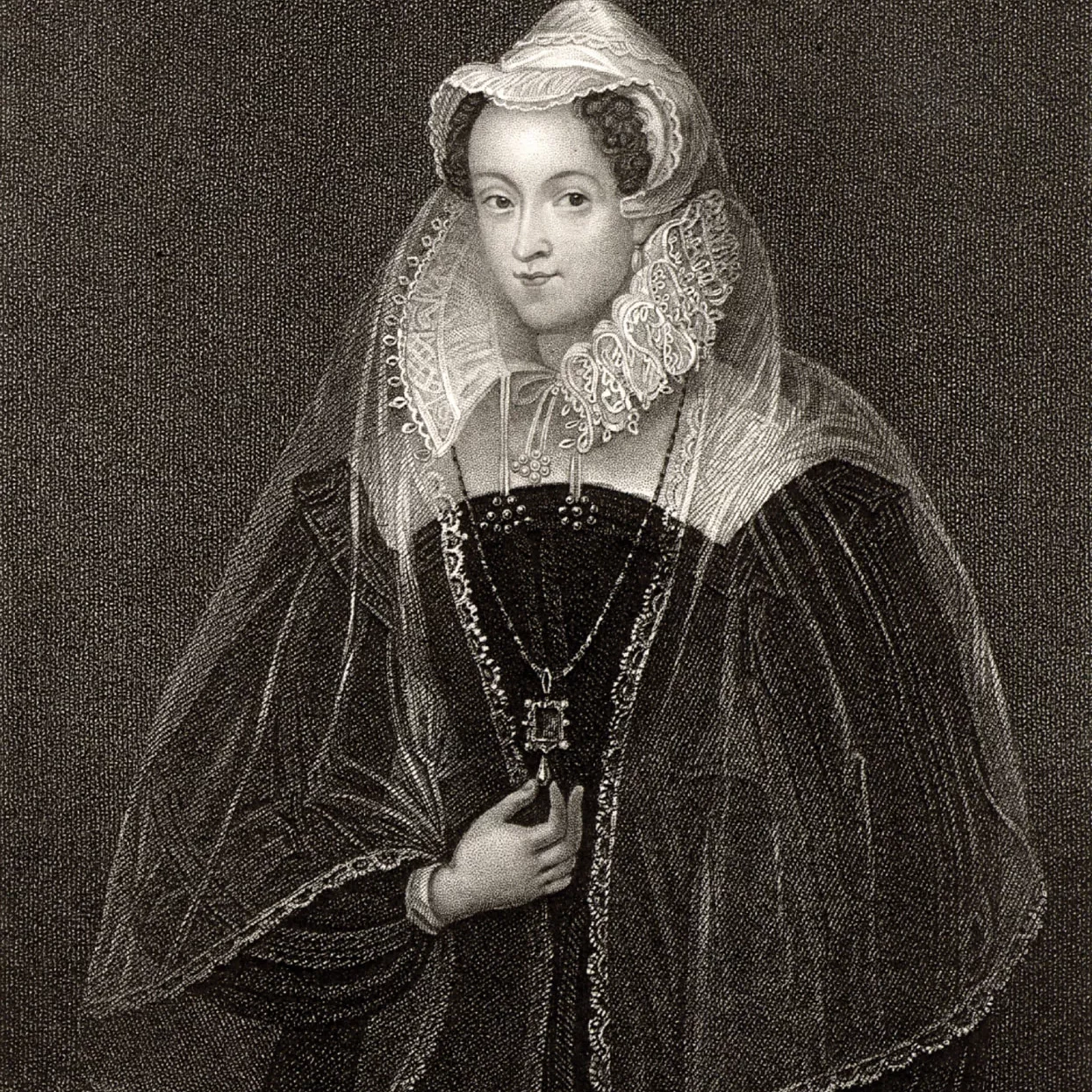
The most famous moment in the history of Linlithgow occurred on December 8, 1542. It was within the thick stone walls of Linlithgow Palace that Mary, Queen of Scots, was born.
Her father, King James V, lay dying at Falkland Palace when he received the news of her birth. Following his death just days later, the infant Mary became Queen of Scotland. She spent the first seven months of her life in the safety of this Royal burgh with It’s secure palace before being moved to Stirling Castle.
Today, visitors to Linlithgow flock to the palace to stand in the very room where one of history’s most tragic and captivating monarchs drew her first breath.
Tragedy and Transformation
The fortunes of Linlithgow began to change following the Union of the Crowns in 1603. When King James VI of Scotland also became King James I of England, he moved the royal court to London. Without the regular presence of the monarch, Linlithgow Palace began to fall into a state of neglect.
The 17th century brought further hardship. During the Wars of the Three Kingdoms, Oliver Cromwell’s forces occupied Linlithgow, wintering in the palace and causing significant damage to the town and the adjacent St. Michael’s Parish Church.
The Great Fire of 1746
The final, fatal blow to Linlithgow’s royal residence occurred during the Jacobite rising of 1745. In January 1746, the Duke of Cumberland’s government troops occupied the Palace while pursuing Bonnie Prince Charlie’s Jacobite army.
When the troops departed, a massive fire broke out—whether by accident or deliberate sabotage remains a historical debate. The fire completely gutted the magnificent palace, leaving behind the roofless, hauntingly beautiful ruins that stand proudly in the middle of the town today. It has an elegance to it that commands presence as it stands boldly over the Loch.
Industrial Linlithgow and the Union Canal
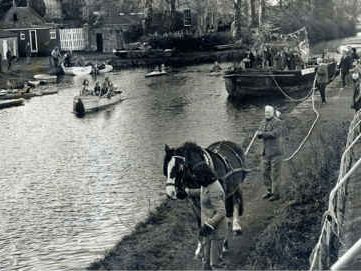
Despite the loss of its royal patrons, this historic old town adapted and survived. As the Industrial Revolution swept across Scotland, the town found new sources of prosperity.
The opening of the Union Canal in 1822 was a major catalyst for growth. The canal connected Edinburgh to Falkirk, passing directly through the royal burgh. It revolutionized the transport of coal, agricultural produce, and manufactured goods. Later in the 19th century, the arrival of the railway further connected it to the broader British economy.
During this era, the town became famous for its leather-making and tanning industries. The town was home to numerous shoemakers, leading to a traditional local saying that a true local of the town is a “black bitch” (a reference to a black hound from local folklore, but later associated with the soot and leather of the town’s trades). This history is still proudly commemorated in the town’s coat of arms and local pub names.
Linlithgow Today: Preserving West Lothian’s History
Today, Linlithgow is a vibrant and highly sought-after commuter town, but it has never forgotten its roots. The community works tirelessly to preserve its rich heritage.
One of the most spectacular ways the town honour’s its history is through the annual “Riding of the Marches.” Dating back to the 16th century, this traditional festival sees the townspeople inspect the burgh boundaries, complete with horseback parades, pipe bands, and deep-rooted civic pride. The town does a great job at remembering the towns past with it’s well organised historical theme.
The towering spire of St. Michael’s Parish Church—crowned with a striking modern aluminium sculpture—stands as a testament to the town’s enduring spirit. Meanwhile, the grand Palace continues to draw thousands of tourists every year, serving as a stunning backdrop for film and television productions, including the hit series Outlander.
From a prehistoric lakeside settlement to a bustling Royal Burgh, and from a royal pleasure palace to a thriving modern community, the history of this lovely old town is a microcosm of Scotland’s own story. Its ancient streets and ruined walls echo with the footsteps of kings, queens, merchants, and soldiers. For anyone exploring West Lothian, Linlithgow is not just a destination; it is a captivating journey through time.